

By: Karaka Pines Village Content Team | Updated: 29 June 2026
Is It Time to Move to a Retirement Village?
The Signs Are Not Always Obvious
Contents
- Has your neighbourhood changed around you?
- Would you feel more secure in a retirement village?
- Are you missing everyday social connection?
- Is your home taking more time than you want to give it?
- Do you want more freedom, rather than less responsibility because you cannot cope?
- So, how do you know when you are ready?
Most people do not decide to move to a retirement village because of one dramatic moment.
It is usually a collection of smaller things.
The garden starts to feel less like a pleasure and more like a standing appointment. Familiar neighbours move away. The street feels busier, younger or simply less familiar than it once did. Going away brings more thoughts about security than excitement about the trip.
Or perhaps nothing is particularly wrong.
You have simply started wondering whether somewhere else might suit you better now.
You may be ready to consider retirement village living when your current home, neighbourhood or lifestyle no longer feels right for the life you want. Common signs include wanting greater security, easier social connection, less property responsibility and more control over your future move.
That is often how the retirement village journey begins. Not with a crisis, but with the growing sense that the home, neighbourhood or lifestyle that worked beautifully for many years may not be quite right for the next chapter.
Has your neighbourhood changed around you?
A neighbourhood can change almost without you noticing.
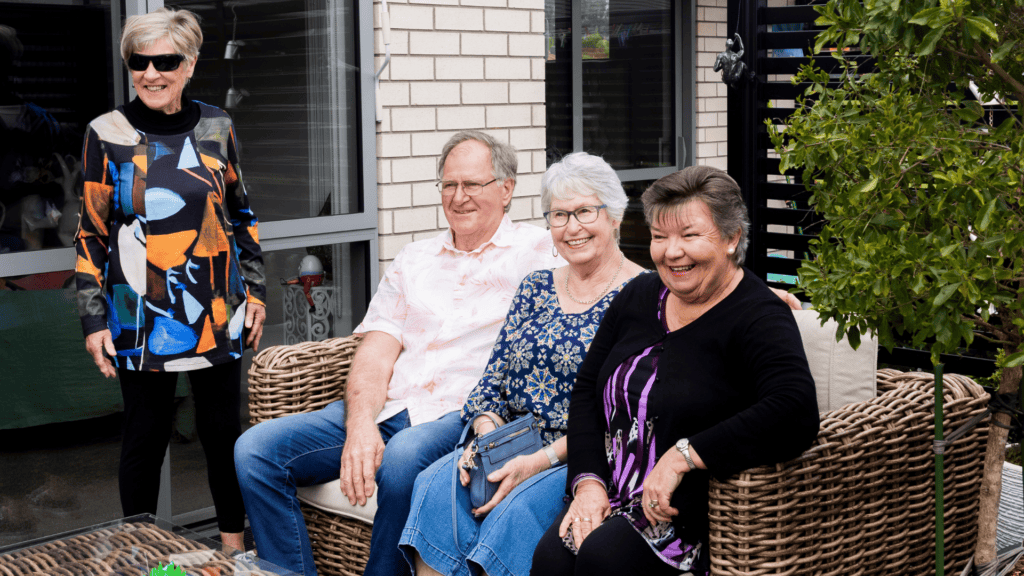
The people you know move away. Family homes turn over. New households arrive with different routines, different stages of life and less time for conversations over the fence.
You may realise you are now one of the oldest people in the street. That is not necessarily a problem, but it can change how connected you feel to the place.
Perhaps there are fewer familiar faces. Perhaps the neighbours are friendly but busy. Perhaps you miss living among people who have the time and inclination to stop for a chat.
Sometimes it is not the house people are ready to leave. It is the feeling that the community around it has moved on.
A retirement village offers the chance to live among people at a similar stage of life, without expecting everyone to be the same. There may be more shared understanding, more familiar rhythms and more opportunities for everyday connection.
Would you feel more secure in a retirement village?
Security often becomes more important gradually.
You may feel less comfortable answering the door after dark. You may think twice about leaving the house empty while you travel. A break-in nearby, a poorly lit street or simply living alone can make you more aware of how secure, or exposed, your home feels.
Wanting greater security is not the same as being fearful or losing your independence.
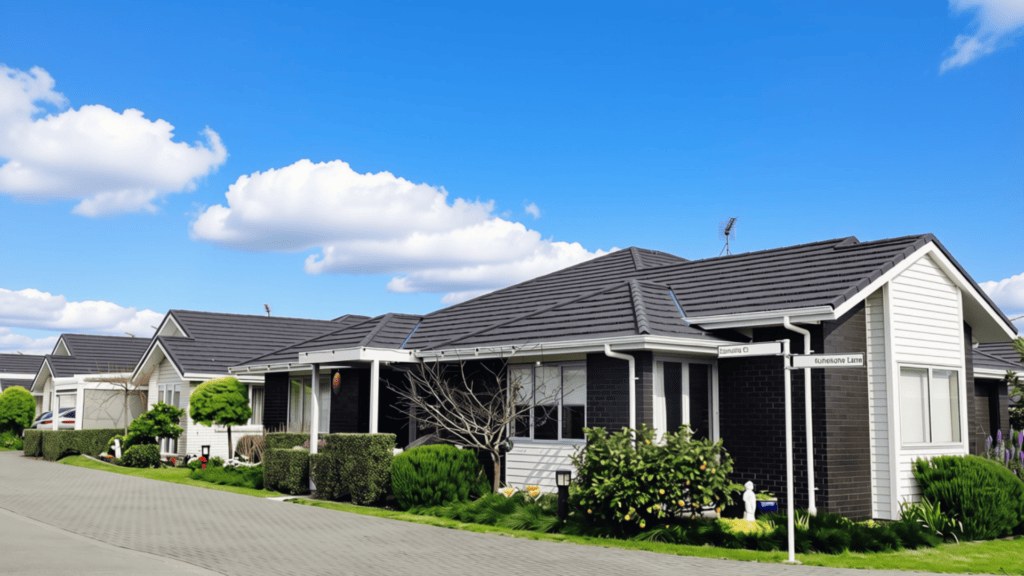
It may simply mean you would enjoy living somewhere with neighbours nearby, controlled access and a greater sense that people notice what is happening around them.
For some people, a gated retirement community provides reassurance without making life feel restricted. You can continue living independently, but with another layer of comfort around you.
And when you go away, there can be real value in knowing your home is part of an occupied and connected community.
Are you missing everyday social connection?
Loneliness is not always obvious.
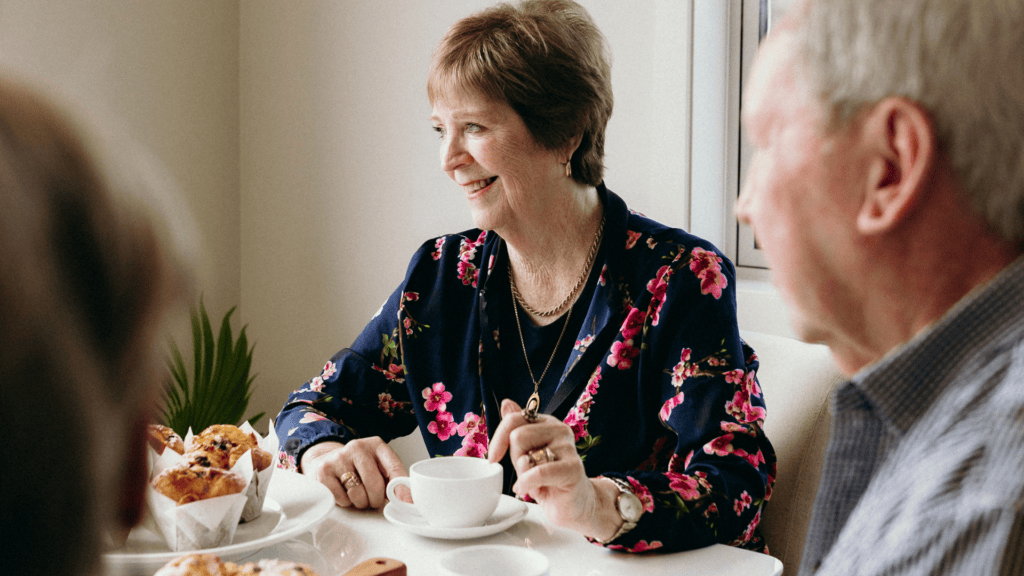
It does not necessarily mean having no friends or family. You may have people you care about, regular phone calls and a busy calendar, yet still miss the small, unplanned interactions that used to be part of everyday life.
A quick conversation at the letterbox. Someone dropping in. A neighbour asking how your week has been. The feeling that you are part of what is happening around you.
As neighbourhoods change, social contact can require increasing amounts of organisation. Everyone is available three Thursdays from now, assuming nothing comes up.
A village can make connection so much easier.
That might mean joining activities or attending social events. It may just mean seeing familiar faces when you go for a walk, having someone nearby to share a coffee with, or knowing there are people around without needing to make a formal arrangement.
The appeal is not constant company. It is having company within reach.
Is your home taking more time than you want to give it?
You will get someone in to look at the guttering.
You will deal with the garden before summer.
You will finally sort out the spare room, the garage, the cupboards and everything else that has quietly accumulated over the years.
At some point, a home can stop feeling like the place that supports your life and start feeling like a list of things waiting to be done.
That does not mean the property is falling apart or that you can no longer manage it. You may simply be questioning whether this is still how you want to spend your time, energy and money.
The house may have been perfect for raising a family, entertaining a crowd or accommodating a busy routine.
But life changes. The right home for one chapter can become an unnecessarily demanding one for the next.
Are you maintaining more space than you use?
A four-bedroom house feels wonderfully useful when it is full.
It can feel slightly ridiculous when most of the doors stay shut.
Many people find themselves heating, cleaning, insuring and maintaining far more ‘home’ than they use. The rooms are still there, but the life that once filled them has changed.
Downsizing is often described as giving something up.
It can also be a decision to stop devoting time and money to space you no longer need and choose a home that better reflects how you live now.
That does not have to mean moving somewhere small, bland or generic. It means thinking more carefully about the space you genuinely want, and what you would rather have instead.

Do you want more freedom, rather than less responsibility because you cannot cope?
There is an important difference.
Many people consider village living while they are active, independent and entirely capable of maintaining their current home.
They simply no longer want the responsibility.
They would rather spend time travelling, seeing family, playing golf, walking at the beach, pursuing interests or doing very little without a guilty glance at the garden.
The tipping point can come when the thought of leaving the property behind feels less upsetting than the thought of looking after it for another ten years.
You are not moving because you have stopped being capable.
You may be moving because you have become more selective about what deserves your time.

Do you like the idea of belonging somewhere?
There is something reassuring about being known.
Not monitored. Not managed. Simply recognised.
Village living can offer a sense of belonging that is harder to find in a changing suburban neighbourhood. People notice when you are away, they welcome you back and thus become familiar parts of your everyday life.
That community may include close friendships, casual acquaintances or simply a wider circle of people who know your name.
You can take part in village life as much or as little as you choose. Some residents are involved in everything. Others prefer a quiet life, while still valuing the fact that there are people and activity nearby.
Belonging does not require surrendering privacy. The best communities allow room for both.
Have you caught yourself saying, “I’m only looking”?
That phrase matters.
It often means the idea has moved from unthinkable to possible.
Looking does not commit you to selling, packing or moving. It simply allows you to see what the alternatives are.
You may visit a village and decide you are perfectly happy where you are. You may realise that village life is not what you imagined. Or you may find yourself picturing where the furniture would go.
Either outcome is useful.
Exploring your options before there is pressure means you can take your time, compare different villages and become clear about what matters to you.
Should you move to a retirement village before you need to?
For many people, the strongest reason to explore retirement village living early is simple: it keeps the decision in their hands.
When you start your journey early you can compare locations, homes, communities, security, fees and financial models. You can reject what does not suit you. You can wait for the right home. You can decide whether you want to remain near your current community or begin somewhere new.
Most importantly, you can move because the opportunity feels right, not because of changing health, an urgent maintenance issue or family concern has narrowed your choices.
The financial arrangement deserves the same attention as the home and lifestyle.
At Karaka Pines Villages, residents receive 100% of the capital gain when their home is sold, excluding the deferred management fee. This can leave residents with greater financial flexibility if their plans or needs change later.
Karaka Pines villages are designed for independent living and do not provide aged-care facilities. Retaining the capital gain may therefore be especially valuable if a resident later decides to move again or needs to fund care elsewhere.
Learn more about how the Karaka Pines capital gain model works.
So, how do you know when you are ready?
Possibly, you are not.
But you may be ready to look.
The signs are rarely dramatic. More often, they appear as a series of thoughts:
The street does not feel the same anymore.
I would feel better with more security.
I would enjoy having people nearby.
This house takes up more of my life than I want it to.
I do not want to leave the decision until someone else has to help make it.
None of these thoughts mean you need to move tomorrow.
They may simply mean it is time to see whether another kind of life would fit you better.
Frequently asked questions
How do I know if I am ready to move to a retirement village?
You may be ready to explore retirement village living if you want greater security, more social connection, less responsibility for property maintenance or a home and community that better suits your current lifestyle.
Being ready to look does not mean you are committed to moving. It simply means you are ready to understand your options.
Should I move to a retirement village before I need to?
Moving before it becomes urgent can give you more control. You have time to compare villages, wait for the right home and make the decision while you are active and independent.
It can also make the move feel like a positive lifestyle choice rather than a response to pressure or changing circumstances.
Is loneliness a reason to consider retirement village living?
It can be.
Some people have friends and family but miss the everyday contact that comes from living in a connected community. Retirement village living can make casual conversation, companionship and social activity easier to access, although the experience will vary between residents and villages.
Does moving to a retirement village mean losing independence?
No.
Independent-living retirement villages are designed for people who continue to manage their own lives and homes. Residents generally choose how much or how little they participate in village activities.
For many people, having fewer property responsibilities creates more freedom rather than less independence.
Do Karaka Pines residents receive the capital gain?
Karaka Pines residents receive 100% of the capital gain when their home is sold, excluding the industry standard deferred management fee (DMF).
This can provide greater financial flexibility if a resident decides to move again, support family or help fund care elsewhere.
Does Karaka Pines provide aged care?
Karaka Pines Villages are designed for independent retirement living and do not operate aged-care facilities.
Residents who later require care may need to arrange support independently or move to a separate care provider. Receiving the capital gain from their Karaka Pines home may help provide more choice at that stage.